
Rewards and Sanctions

Text

Text

Rewards

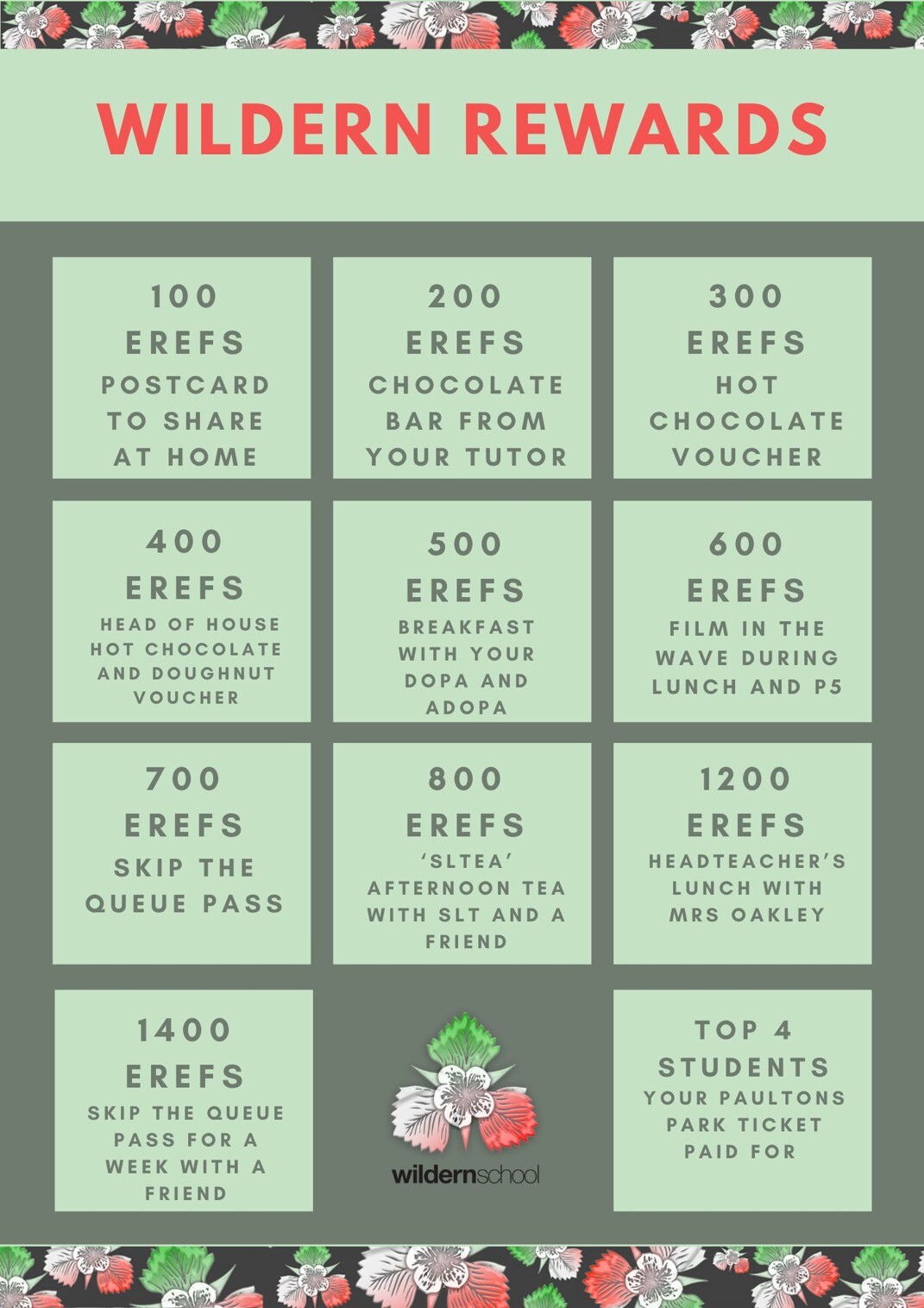
We believe that motivating students by using appropriate rewards is one of the most important tasks we undertake as teachers.

We use rewards and sanctions to:

  • Create a secure, orderly and working environment

  • Raise student self-esteem and make them feel valued

  • Set goals for personal achievement

  • Reward a variety of qualities, activities and achievements 

  • Provide opportunities for students to aspire to and assume responsibilities

  • Motivate and encourage students to do their best

  • Ensure effective teaching and learning can take place

  • Develop the students' sense of appropriate and inappropriate social behaviour

A variety of rewards include:

  • Verbal praise from staff

  • Letters and emails sent home

  • Postcards sent home

  • Green or gold erefs (Electronic referrals)

  • Certificates from subject areas and key staff

  • Celebration in assemblies

  • Recognition in our newsletters, local press and social media

  • Formal occasions such as Colours Evening and Student Leadership Presentation Evening

  • Roles and responsibilities e.g. Prefects, Wildern Changemakers

  • Meetings with SLT, DoLs, DoPAs

  • Celebration breakfast, lunches, afternoon tea and award events. 

  • Colours to recognise representation in Creative Arts and Sport


Sanctions

Wildern School uses a variety of sanctions. 

These include:

  • Breaktime detentions

  • Same day late detentions

  • After school year group detentions

  • After school curriculum detentions

  • After school Lead Practitioner detentions

  • After school SLT detentions

Each detention will be used to reflect and have restorative conversations with students so that next lessons or the next day is a 'fresh start'. For serious misbehaviour our Reset Room is used as well as fixed term suspensions and very rarely a permanent exclusion may be necessary.

Quotes

Quotes

  • The United Nations Convention on the Rights of the Child.

    "When adults make decisions they should think about how their decisions will affect children. All adults should do what is best for children."